MOONCOIN

Luna

Lunar Registry

Specification · no token is live

Solana · swap fees · Official Lunar Registry

The fees buy lunar acres. Stakers split them.

$MOONCOIN trades on Solana. A slice of every swap is spent at the Official Lunar Registry on one-acre claims. Each acre is locked as a TALK token, then reissued on Solana as $ACRE — one receipt per acre, paid to wallets that stake and stay.

Land fee
2.5%
Receipt
1 $ACRE
Warmup
7 days
Drip
14 days
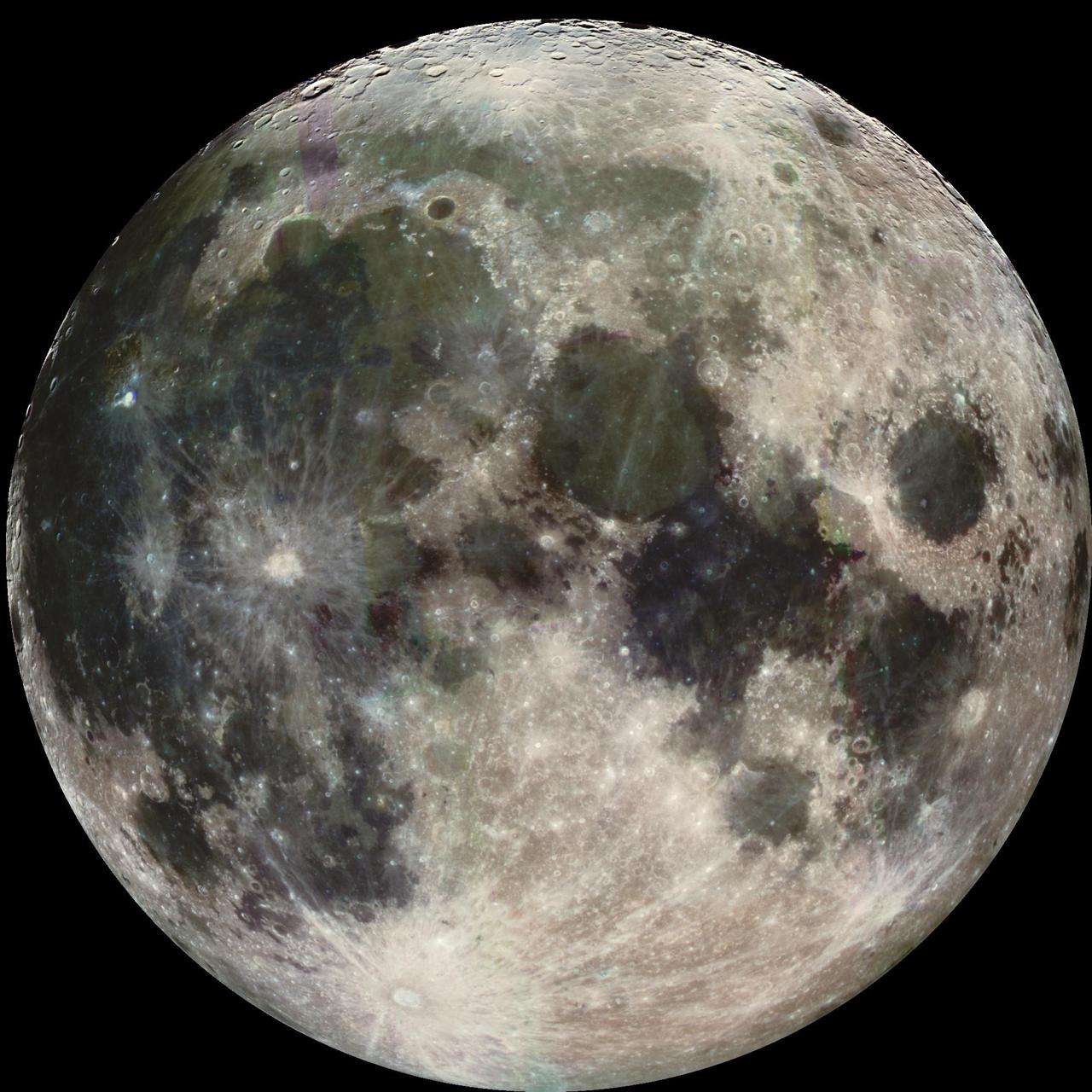
The Moon, photographed by NASA’s Galileo spacecraft
NASA / JPL · Galileo · PIA00405
01

A landing has five moves.

The Registry sells whole acres and, since 1 July 2025, issues one TALK token for each of them. The protocol buys those acres in public, locks the tokens, and only then prints receipts.

  1. 01

    Collect the fee in SOL.

    The MOONCOIN pool takes 3% of each swap, on the SOL side of the trade. 2.5 points settle in the Land Treasury, a published 3-of-5 multisig. The other 0.5 point settles in a separate operations wallet for Registry fees, delivery, audits, and Ethereum gas. A wallet-to-wallet transfer of $MOONCOIN pays nothing.

  2. 02

    Buy the acre the stakers voted for.

    Staked $MOONCOIN votes for seven days on the next region the Registry is actually selling. The treasury checks out as the MOONCOIN Land Trust, takes the larger lot when the per-acre price drops, and adds the TALK smart contract. Before the first vote closes, purchases go to the Sea of Vapors, the mare the Registry prices at a fixed $18.95 through the end of 2026. A tie repeats the previous region. Historic landing sites stay out of the cart; the Registry already keeps them off the public list.

  3. 03

    Lock one TALK token per acre.

    The Registry delivers those tokens to the Trust’s Ethereum address. Every purchase is written into a public manifest: region, tract, parcel, Registry file number, token id, price paid, and the Ethereum transaction. The public checkout often caps a single order at 10 or 50 acres, so a busy treasury files several orders. Each order gets its own manifest rows.

  4. 04

    Mint one receipt per vaulted acre.

    A Solana program mints $ACRE only when the multisig signs that manifest. Circulating $ACRE equals the number of acres still in the vault. Six decimals, so a holder can own a sliver of an acre. The program is deployed with its upgrade authority revoked. Team wallets have no mint key.

  5. 05

    Drip the receipts to stake that stayed.

    $ACRE from a landing pays out over 14 days to $MOONCOIN that was staked at least 7 days before that landing and is still staked. Unstake during the drip and the unpaid part of that landing returns to the stakers who remained. Coins sitting on an exchange are not staked, so they do not receive receipts. The team vest does not receive $ACRE.

02

One receipt is one acre still in the vault.

$ACRE is the Solana half of a claim that starts on Ethereum. It is fungible on purpose. Most holders will never stack a full acre, and they should still be able to hold, trade, or pool the piece they have.

Lunar Registry’s own NFT page says a multi-acre purchase is issued as individual tokens, one per acre, so the acres can move separately. That is the unit the vault keeps. When ten acres land, the program mints 10.000000 $ACRE and starts the drip. Nothing is sold into a liquidity pool by the protocol, and nothing is reserved for the team.

Your balance divided by the $ACRE supply is your share of every acre that has not yet been redeemed. Redeem one acre and both numbers fall by one, so everyone else’s fraction of the remaining pool stays put. The manifest is the list behind the number: file numbers and token ids, in the open, one row per acre.

  • Warmup, then a drip. A wallet that buys in the same hour as a landing misses that landing. Weight is the staked balance once the seven days are done. There is no permanent bonus for having staked earlier than someone else who is also warmed up.
  • The invariant. Acres attested, minus acres redeemed, equals $ACRE supply. A manifest row that does not name a TALK token id does not mint. A burn without a parcel leaving the vault is a failed redemption, and new purchases pause.
  • Six decimals, one whole token to leave. Holding 0.125000 $ACRE is a real claim on the pool. It does not pick a crater. Burning 1.000000 $ACRE does.
03

Keep the fraction, or take a whole parcel.

Fractional holders just hold $ACRE. It can trade on Solana like any other SPL token. Pooling with other holders, or buying receipts until you reach one, is how a small stake becomes a parcel.

Touchdown is the whole-acre exit. Burn exactly 1 $ACRE and the program assigns the oldest unclaimed parcel in the manifest. Order is the Registry file number, then the token id. First in, first out, so a famous mare is not a race that only bots win. The next redeemer gets the next parcel. Three burns, three parcels, in that order.

Want a specific parcel anyway? Any holder of a full receipt can open a 72-hour auction on a named row. Bids are in $ACRE and the minimum is 1. The high bid is burned in full. One acre leaves the vault. Every receipt above 1.000000 is extra supply destroyed, so the receipts left behind are backed by more land per token.

Specimen

MOONCOIN Land Trust

Lunar receipt

Sea of Vapors

Name
A future staker
To redeem
1.000000 $ACRE
Assignment
Next open parcel

A picture of the paperwork. It is not a Registry filing, not an $ACRE balance, and not a claim in anyone’s name.

04

Run the arithmetic.

The pace below is division, not a forecast. It assumes you are past the warmup, you stay staked for the whole drip, the stake totals hold still, and every dollar of volume is a swap in the pool.

One full acre every

—

Land fees / day
—
Operations / day
—
Acres bought / day
—
Acres bought / month
—
Your share of stake
—
Your $ACRE / day
—

100,000 $MOONCOIN is about 0.026% of the 384,400,000 supply. The default total staked is 40% of supply. Change the acre price from a region card if you want a listed rate instead of a blended $40.

05

Where the fees can land.

List prices move with the Registry’s demand algorithm, and a ten-acre lot is cheaper per acre than a single acre. Figures below were taken from their pages in August and September 2026. They are for comparing regions, not a quote.

Mare Vaporum

Sea of Vapors

$18.95 / acre

The Registry FAQ lists this price as fixed through the end of 2026. It is the default buy until stakers elect a different region.

Mare Tranquillitatis

Sea of Tranquility

$36 / acre

Apollo 11 landed at the edge of this mare. The product page steps the one-acre price down to $27 on a ten-acre lot.

Mare Serenitatis · Tract 22

Sea of Serenity

$36.90 / acre

Listed at $36.90 on 17 September 2026, and $29.52 on the ten-acre estate. One TALK token per acre, same as everywhere else.

Oceanus Procellarum

Ocean of Storms

$47.50 / acre

The widest mare on the near side. Listed at $47.50 on 18 September 2026, and $38 on a ten-acre estate.

Lacus Somniorum

Lake of Dreams

$39.95 / acre

Northeast of the Sea of Serenity, near craters Daniell and Posidonius. Listed at $39.95 on 30 August 2026.

Statio Shiv Shakti

Lunar South Pole

$31.22 / acre

The Registry’s south-pole tract, near the water-ice everyone else is also staring at. Listed around $31.22 per acre.

Preview the ballot. A preference stays in this browser and does not move a treasury.

06

The books.

Supply stops at 384,400,000. One coin for each kilometer of the mean distance from Earth to the Moon. Staking pays land, so there is no emissions schedule beside it.

Where the coins sit

  • 80% liquidity · 307,520,000. The pool is created at launch and the LP tokens are burned.
  • 10% community · 38,440,000. Airdrops and listings, from a published wallet.
  • 7% team · 26,908,000. Linear vest over 24 months. Those keys cannot sign the Land Treasury.
  • 3% operations · 11,532,000. Separate from the 0.5% swap slice, and separate from the land wallet.

What a swap pays

Action Land Office
Buy in the pool 2.5% 0.5%
Sell in the pool 2.5% 0.5%
Wallet transfer 0 0
Manifest row · worked example, not a purchase
Landing L-000
Buyer of record MOONCOIN Land Trust
Region Sea of Vapors · 10 acres · $18.95 list
TALK 10 tokens, one per acre, Ethereum vault
$ACRE minted 10.000000, dripped to warmed-up stake
File number Filled when a real order exists
  • The land wallet buys claims and pays the cost of moving them. Registry checkout, the TALK add-on, delivery, and the gas to transfer a redeemed token. It does not fund the team.
  • A missed 14-day delivery pauses new purchases. Holders can see the pause because the manifest stops growing while the Ethereum token stays put.
  • The lot is whatever the Registry sold. Their pages describe both a statute acre and a metric lunar acre of 4,225 square meters. The protocol counts one Registry parcel as one acre, and one TALK token as that parcel.
07

Questions worth asking first.

Does holding this mean I own part of the Moon?

You hold a share of whatever the Trust bought from the Official Lunar Registry: their claim package and the TALK token that represents it. The Registry’s FAQ says the International Lunar Lands Authority does not own the Moon and does not exert sovereignty. The 1967 Outer Space Treaty says outer space is not subject to national appropriation. A swap fee does not amend a treaty. Redeeming hands you the Registry’s documents and token, reassigned to you.

What did the fee actually buy?

A one-acre claim on lunarregistry.com, registered to the MOONCOIN Land Trust, plus the TALK smart-contract add-on when it is offered. The Registry describes that token as a keepsake mapped to a parcel in their records, one token per acre, transferable on their terms. They also say they charge 3.5% when a property contract is sold or transferred later.

Why do receipts go to stakers?

The landing should pay the wallets that were holding through it. Stake that has sat for seven days receives the drip, and the drip takes fourteen days more. A balance on a centralized exchange is not in the staking program, so it does not collect $ACRE.

Why are there two chains?

$MOONCOIN and $ACRE live on Solana, where the pool and the staking program are. The Registry tokenizes claims on Ethereum and delivers TALK through their flow. Version one publishes both addresses and checks them against the manifest. The bridge is the multisig’s signature until a vault contract can message across.

What stops the multisig from keeping the tokens?

Public addresses, a manifest anyone can re-read, and a hard pause. Minting requires a signed row that names a real token id. Redemption stores your Ethereum address next to the burn. If that token is still in the vault after 14 days, the treasury is barred from buying more land. Version one is still a 3-of-5. That trust is the reason the signer set has to be published before a single acre is bought, and the reason a later version should lock the tokens in a contract.

Can I sell a fraction of an acre?

Yes. $ACRE is fungible down to six decimals. Selling a fraction does not ask the Registry for anything. Taking a specific parcel out of the vault is the step that burns a whole receipt and files their transfer.

Do ordinary transfers pay the fee?

No. The 3% is a pool swap fee, taken in SOL. Moving $MOONCOIN between wallets you control does not buy land and does not tax the transfer.

When can I buy $MOONCOIN?

There is no sale on this site. The mint address will be published here when a pool exists. Until that address is on this page, a request to send SOL for $MOONCOIN is not this project.

Is the estimator a promise?

No. It divides today’s inputs by the fee and by your share of stake. Volume, the Registry’s price, and how much of the supply is staked will all move. Land is also a claim with the limits above, so a faster pace is not a return.